Call (925) 478-8073
24/7 emergency service across the Bay Area



 Published: May 16, 2025
Last Updated: October 22, 2026
Have you ever turned on a faucet or shower only to feel the water surge and sputter rhythmically—almost like it’s pulsing? You’re not the only one. The annoying phenomenon of pulsating water pressure is an all-too-common but often misunderstood plumbing problem in residential homes and commercial facilities.
Although it may initially feel like a hassle, pulsating water pressure is a warning sign of something that must be addressed in your plumbing system, if not taken care of over time, it can cause damage to pipes, appliance inefficiency, or even expensive repairs in the long run.
In this post, we will discuss the causes, symptoms, and, most importantly, how to repair pulsating water pressure at home or office.
Pulsating water pressure is an irregular or spasmodic water flow that surges or oscillates rather than a steady stream. You might experience it in a sink, shower, or garden hose. At times, the water flow arrives in waves; at other times, it sounds like your pipes are knocking or vibrating. While the issue might seem like a quirky plumbing hiccup, it’s often a sign that something is off in your water supply system.

Before exploring how to fix pulsating water pressure, it’s essential to understand the potential culprits behind the problem:
A faulty or partially closed faucet valve may create pressure imbalances. If a single fixture is the only one affected, the problem may be confined to that tap or appliance.
Air pockets may become trapped in plumbing lines during water line repairs, after draining systems, or due to a malfunctioning pressure tank. These bubbles disrupt the free flow of water, resulting in pulsation.
A sudden cut-off in water flow can induce shockwaves through the pipes and cause a phenomenon known as “water hammer.” This can lead to rattling sounds and pulsating pressure at fixtures.
Most residential installations have a pressure-reducing valve (PRV) that controls incoming water pressure from the city line. A faulty or poorly adjusted valve will result in variable water flow and pulsing.

If your house has a private well, pulsating pressure can be caused by a deteriorating well pump or pressure tank. Pressure fluctuations can be experienced when the tank bladder is burst or the pump cycles too often.
Mineral buildup or debris in faucet aerators and internal pipes can constrict flow, resulting in turbulent or pulsing water output.
Pulsating water pressure is often thought by many homeowners to be nothing more than a little nuisance. But it usually proclaimers a more underlying problem that can become a serious issue in no time.
Here’s what neglecting the issue might cause:
Addressing the source of the problem and learning how to repair pulsating water pressure not only enhances everyday convenience but also averts long-term damage and cost.
If you’re a do-it-yourself homeowner, there are some things you can attempt before calling a plumber.
Begin by testing several faucets to determine whether the problem is with one or the whole house. If one faucet pulsates, take it apart and clean the aerator. Mineral deposits are a frequent cause of irregular flow.
Trapped air in your pipes can cause unbalanced pressure. Attempt to open all the faucets in your house—hot and cold—at full volume for a few minutes to drive the air out of the system. Begin at the top faucet and move downwards.
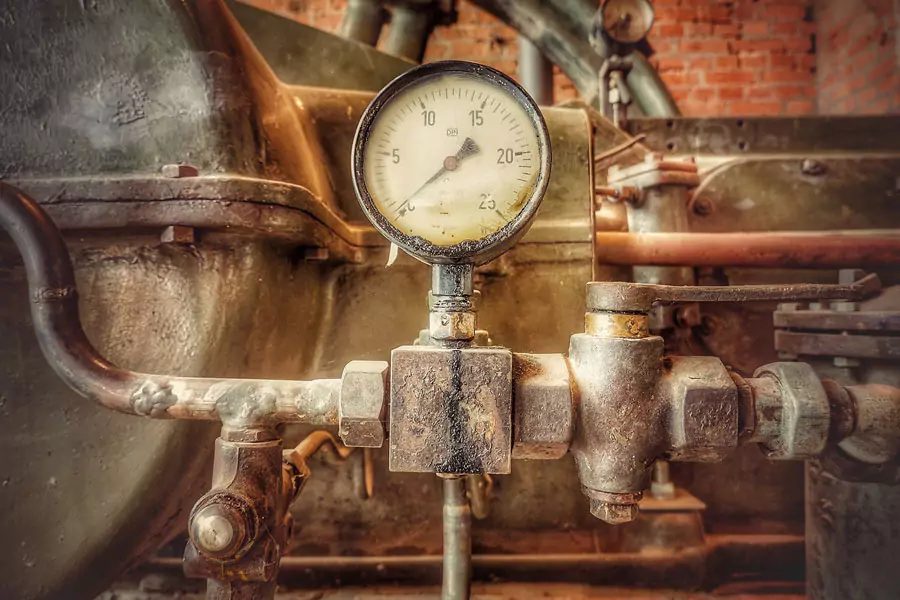
If you have a pressure-reducing valve, inspect the pressure level (40–60 psi is ideal household water pressure). It might need to be adjusted or replaced if it’s too high or low—or if you see visible rust or damage.
Tip: Dealing with PRVs can be tricky. If you’re not sure, call a licensed plumber.
Install water hammer arrestors if you notice loud banging sounds when turning on or off the water. They take the shock and stabilize the flow of water.
Look at the pressure switch and gauge if your home is on a sound system. Cycling on and off too quickly is a red flag that your tank or pump may be failing. In this case, professional service is strongly recommended.
Occasionally, the problem lies outside the range of a quick solution. If you’ve attempted the above steps and continue to see pulsating water pressure, it is time to call a licensed plumber.
At Magnificent Plumbing & Rooter, we provide thorough plumbing diagnostics and repairs across California. Our skilled technicians can:
We respond quickly to pressure problems because they can affect your safety and comfort.
We’re not any plumbing business—we’re your neighborhood specialists in water pressure problems. With years of experience servicing California homeowners and businesses, we’ve built a reputation for quick, honest, and dependable service.
Here’s why we stand out:
We don’t fix things temporarily. When you call Magnificent Plumbing & Rooter, you receive a permanent solution to your plumbing issue.
Handling pulsating water pressure is frustrating—it usually indicates something amiss with your plumbing system. Whether the culprit is air trapped in the pipes, a faulty valve, or an underlying systemic problem, the quicker you resolve it, the better.
Now that you know how to repair pulsating water pressure, you can take steps to regain even, dependable flow to your house. Begin with basic troubleshooting; if this fails, don’t hesitate to bring in the professionals.